




 Jumla, Nepal. Credit: Prashant Shahi/Wikimedia Commons
Ecologists have warned for decades that the world’s insects are in trouble. For a while, that decline seemed distant — a problem for wild meadows, forests, and faraway ecosystems.
But the fallout is now reaching the dinner table.
Take the case of Nepal, for instance, where a new study showed that pollinator loss can lead directly to malnutrition. By mapping thousands of interactions between crops and insects, researchers found that wild pollinators provide more than 20% of the essential vitamin intake of local farming communities. In other words, protecting bees, hoverflies, and other pollinating insects isn’t just about saving nature, it’s about protecting our food.
Hunger and Pollinators
To map these ecological connections, researchers spent a year tracking diets, crop yields, and pollinator activity in ten smallholder farming villages in the Jumla District of Nepal. They logged over 15,000 dietary surveys and recorded nearly 11,000 plant-pollinator interactions. The goal was to see exactly how much nutrition and income flowed directly from the wings of wild bees and hoverflies to the dinner tables of the 776 villagers studied.
The results were staggering. Pollinators were responsible for an estimated 44% of the villagers’ farming income. They also contributed more than 20% of the villagers’ intake of essential nutrients like vitamin A, folate, and vitamin E. This heavy reliance on insect-pollinated crops (such as beans, pumpkins, and apples) makes these communities incredibly fragile. If pollinators go down, the crops fail, and the consequences for human development are severe.
 Schematic of the dietary and ecological sampling design. Credit: Nature
“Over half of the children in our study were too short for their age, which is largely driven by poor diets that depend upon insect pollinated vegetables, legumes and fruits,” said Naomi Saville, a researcher at the University College London Institute for Global Health and a study co-author. “As pollinator biodiversity declines, loss of vitamin A, folate and protein from the diet can further damage these children’s health and development, so efforts to restore pollinators are crucial.”
The Void Left Behind
 The kid with the barley, Jumla. What a great photo! Credit: Prashant Shahi/Wikimedia Commons
Globally, insect populations are dropping by up to 1% per year. To understand what the future holds, the research team modeled a scenario where current pollinator decline trends continue unabated. The forecast is grim.
If farmers don’t alter their agricultural practices, the villagers might suffer a 7% loss of vitamin A and folate intake by 2030. That might sound trivial, but these deficiencies in vital nutrients can lead to severe vision loss and birth defects. Roughly 2 billion people worldwide, or 1 in 4 humans alive today, rely primarily on smallholder farming similar to the villages in the Jumla District. This hidden hunger could soon sweep across the globe.
×
Thank you! One more thing…
Please check your inbox and confirm your subscription.
“Our study shows that biodiversity is not a luxury,” said Dr. Thomas Timberlake, an ecologist at the University of York and lead author of the study. “It is fundamental to our health, nutrition and livelihoods. By revealing how species like pollinators support the food we eat, we highlight both the risks of biodiversity loss for human health, but also the powerful opportunities to improve human lives by working with nature.”
Rebuilding the Web
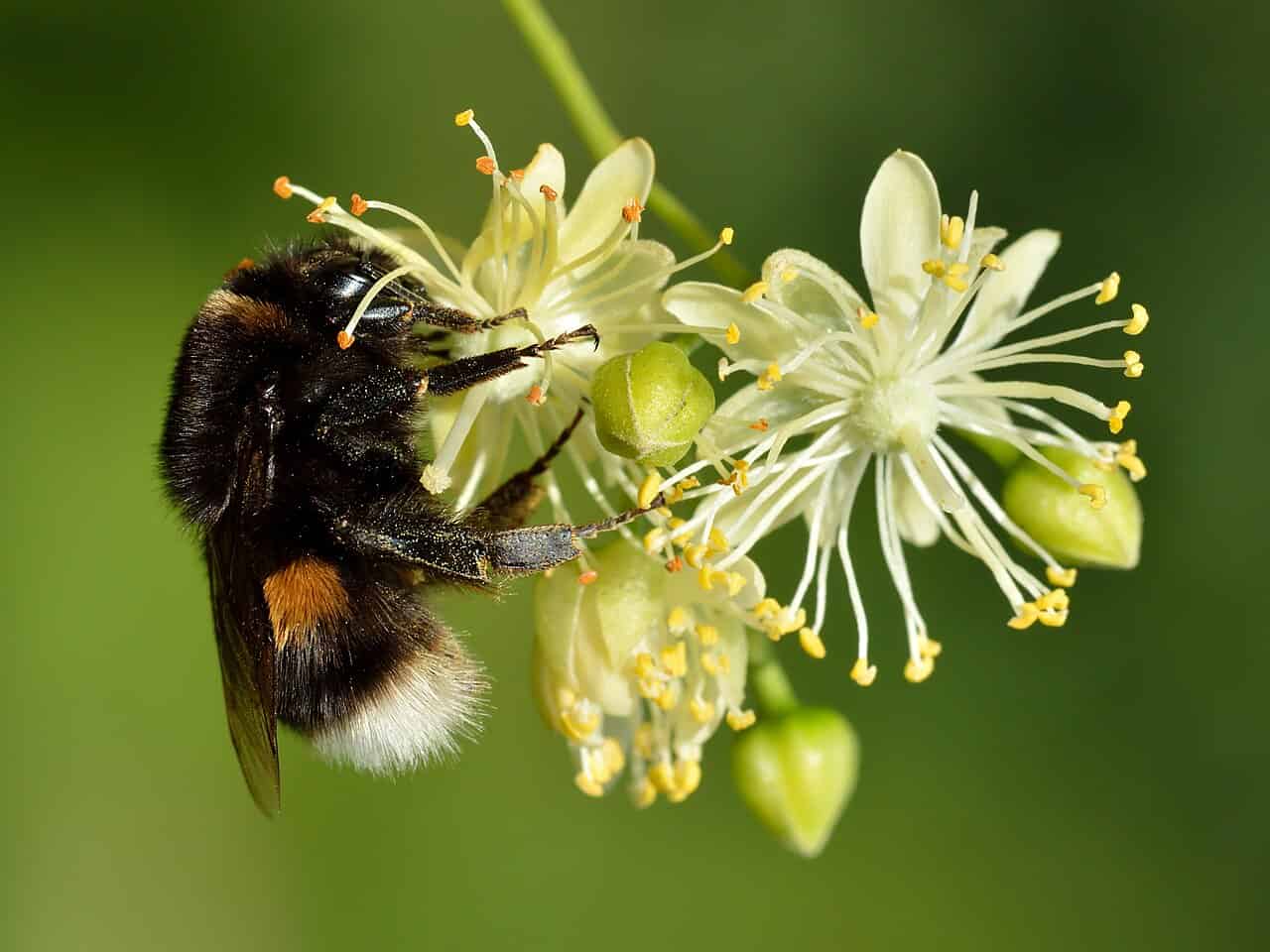
 Bombus terrestris queen. Credit: Wikimedia Commons
While the data paints a dire picture of what we stand to lose, it also suggests a clear path forward. The models show that the damage is reversible. Simple, low-tech interventions can dramatically boost local pollinator numbers and, by extension, human welfare.
By planting native wildflowers near their fields, protecting wild bee habitats, and drastically reducing pesticide usage, farmers can repair the fractured food web. These accessible measures could increase farming income by up to 30%. Nutritional intake would also rebound, boosting vitamin A and folate consumption by 5% and 9%, respectively.
“A ‘win-win’ scenario exists where we can simultaneously improve conditions for both biodiversity and people,” said Jane Memmott, Professor of Ecology at the University of Bristol and senior author of the study. “It takes ecological understanding, but it costs remarkably little and there are significant gains for both parties.”
The research team is already putting these solutions into action. Working alongside local organizations and farmers in Nepal, they are helping agricultural communities recognize the vital services insects provide and integrate pollinator-friendly practices into everyday farming. By safeguarding the smallest actors in the ecosystem, we secure the future of our own species.
The study was published in the journal Nature.