



By Esme Yeh
/ Staff reporter
The Ministry of Agriculture’s Fisheries Research Institute has developed a method to repurpose grouper processing waste into sports supplement ingredients that can boost laboratory mice’s running duration 1.62 times.
Grouper is one of Taiwan’s most important farmed seafood products, prized for its tender flesh and delicate flavor.
While grouper was traditionally consumed fresh, a growing share has been processed into frozen fish fillets since about 2023 to meet rising export demand, institute technician Yi Tsung-kai (易琮凱) said on Friday.
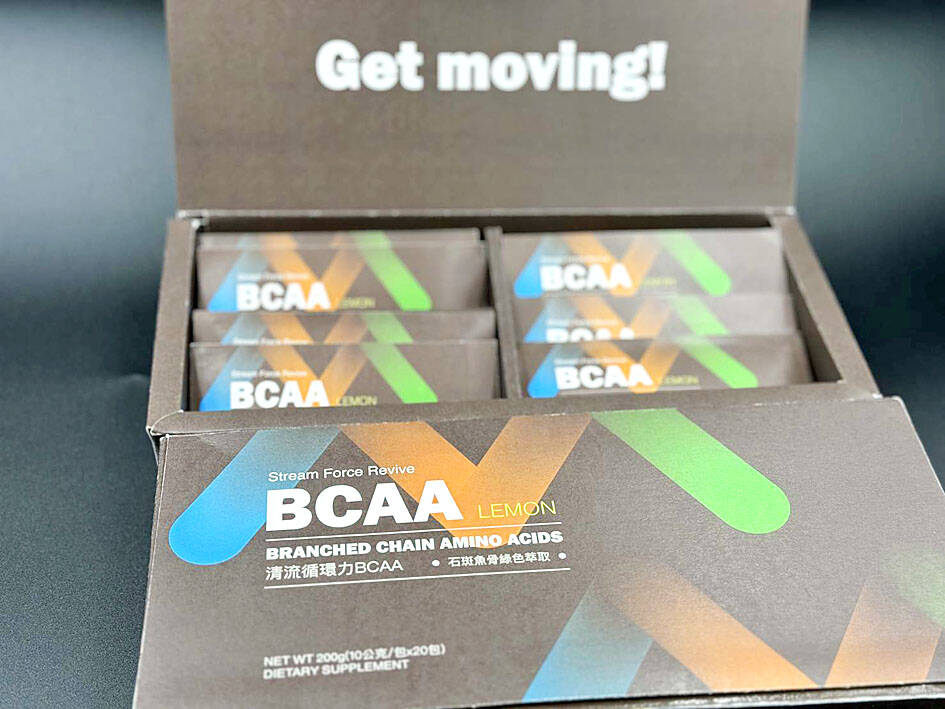
Photo courtesy of the Ministry of Agriculture’s Fisheries Research Institute
However, about 20 percent of grouper meat cannot be processed into fish fillets, as it is in the fish’s head, which is relatively hard and contains a large amount of bone, he said.
That prompted the fish processing industry to explore ways to recycle and repurpose grouper heads, Yi said.
To address the issue, the institute collaborated with Fu Jen Catholic University to apply ultrafine bubble cleansing and multistep enzymatic hydrolysis techniques to extract nutrients from grouper heads, he said.
That marked an achievement in whole-fish utilization of groupers, Yi said.
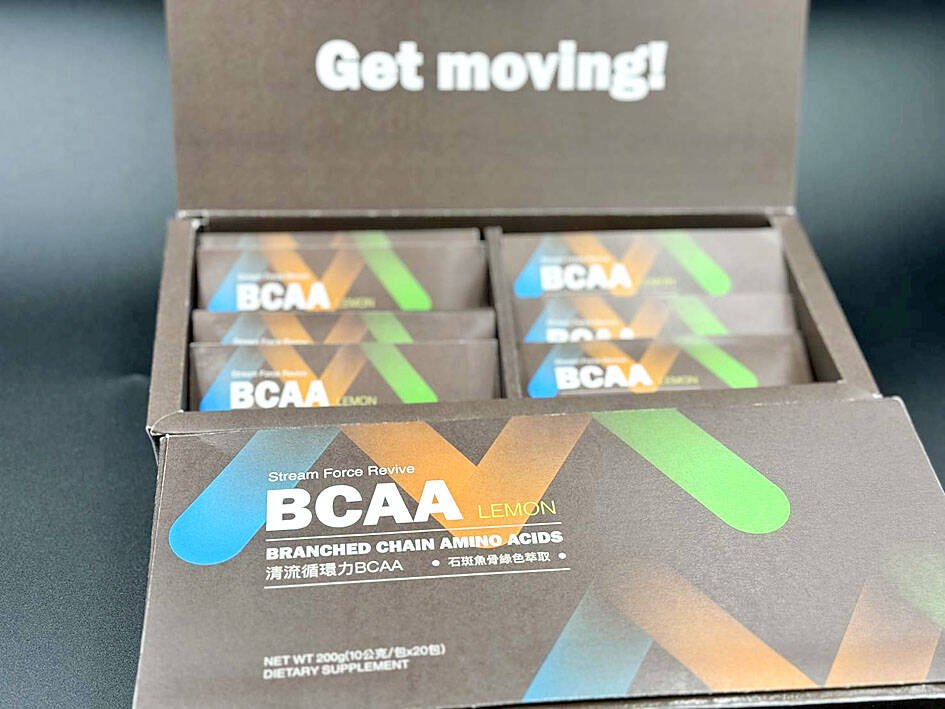
The extracted nutrients — including crude protein, branched-chain amino acids and taurine — can be used in functional sports supplements, he said.
The extraction yield is about 13 percent, Yi said, adding that food processing operators are discussing technology transfer under a licensing fee of NT$200,000.
The institute said the protein hydrolysate extracted from grouper heads contains up to 90.14 percent crude protein. It is also rich in branched-chain amino acids and taurine, at levels of 332.6mg per 100g and 658.92mg per 100g, respectively, it said.
These nutrients can effectively reduce exercise-induced oxidative stress and have the potential to strengthen cardiac contractility, the institute said.
The research team also used immortalized human skeletal muscle cells in in vitro experiments simulating exercise-fatigue scenarios, it said.
Experimental results showed that mitochondria in the muscle cells became 107 percent more active when the protein hydrolysate extracted from grouper was added, the institute said.
With the addition, lactic acid accumulation caused by anaerobic metabolism also decreased significantly, from 149 percent to 136 percent, indicating that cellular energy conversion was highly efficient, it said.
Run-to-exhaustion tests also showed that mice fed the hydrolysate combined with kelp extract at a rate of 2,050mg per kilogram of body weight could run 1.62 times longer, the institute said.
The mice’s average immediate post-exercise blood lactate concentration also dropped from about 5.4 millimoles per liter (mmol/L) to about 2.8 mmol/L, while their muscle glycogen storage increased by 1.64 times, it said.
That showed that grouper head hydrolysate significantly facilitated energy storage and accelerated fatigue recovery, the institute said.