




Story audio is generated using AI
Our bones naturally weaken as we grow older, but adopting a healthy lifestyle can keep them stronger for longer.
Maretha Vermaak, a registered dietician at Rediscover Dairy, a consumer education project of Milk SA, says the choices we make about nutrition, physical activity and lifestyle changes from childhood through to older age shape bone health.
“Strong bones are one of the most crucial foundations for healthy ageing, impacting on long-term mobility and independence. Bone health doesn’t happen in a moment — it’s built over years,” she says.
“Nutrition is foundational for lifelong bone health. It’s important to consider that bones are living tissue that, like muscles and skin, change according to life stage and lifestyle habits.
“What we eat, how active we are and even exposure to sunlight all play an important role in helping bones stay strong over time.”
There are three key things — eating dairy foods daily, exercise, and getting exposure to the sun — that Vermaak urges people to focus on.
“Whether your concern is your child building strong bones, your own longevity or your ageing mum preserving bone density, you need to reach for everyday solutions that are most impactful, convenient, affordable and backed by science,” she says.
Whether your concern is your child building strong bones, your own longevity or your ageing mum preserving bone density, you need to reach for everyday solutions that are most impactful, convenient, affordable and backed by science
— Maretha Vermaak, registered dietician at Rediscover Dairy
“Dairy fits easily into this because it is versatile, familiar, and enjoyed across generations. Calcium is essential for the development and maintenance of healthy bones, and dairy foods are one of the most effective and accessible ways to help meet daily calcium needs. Milk, maas, yoghurt and cheese naturally provide calcium in a form the body can absorb and use efficiently,” says Vermaak.
“But dairy offers more than calcium alone. The dairy matrix, the unique combination of nutrients naturally found in dairy foods, also delivers protein, phosphorus, magnesium and other nutrients that work together to support bone development and maintenance.
“Children between the ages of four and eight require around 1,000mg of calcium per day, while teenagers need even more, around 1,300mg, because nine to 19 years are our peak bone-building years.”
For most adults, she recommends about 1,000mg of calcium daily.
This may be increased to about 1,200mg per day for older adults as bone density begins to decline.
“Simple daily servings may include one glass [250ml] of milk or maas, a small tub [200ml] of yoghurt, and about 40g of cheese.”
She says one can have milk during breakfast, yoghurt or maas as a snack, or cheese added to lunch or dinner can contribute meaningfully to long-term bone health.
“If you don’t typically have a variety of dairy foods at home, it is fine to get your dairy servings from only milk or amasi. And, if you do not meet the required three servings a day, even one cup of milk or amasi a day can make a difference,” says Vermaak.
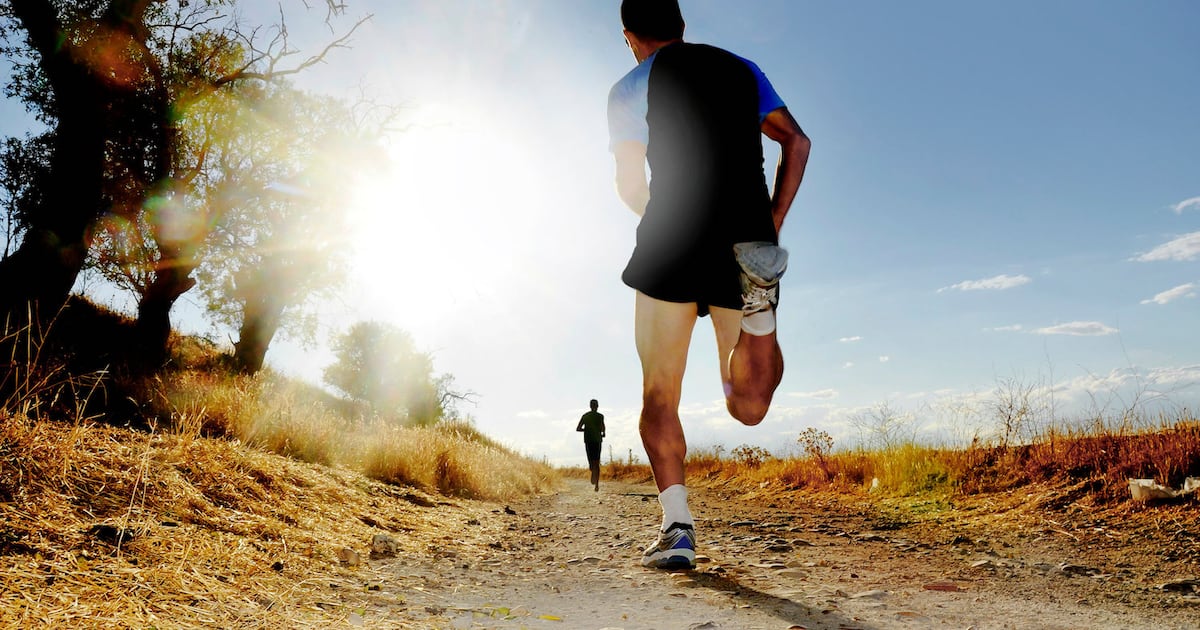
“Weight-bearing exercise helps stimulate bone development and maintenance. These activities encourage the body to keep strengthening the skeletal system. While childhood and adolescence are especially important years for building bone mass, exercise remains essential throughout adulthood and older age. Weight-bearing exercise includes activities where the body works against gravity while staying upright – walking, hiking, running, dancing, skipping, stair climbing, participation in sports and strength training.
“The key is consistency. The best exercise is often the one you genuinely enjoy and can sustain over time. Bone health is built through regular movement across your lifespan. Adults, teens and children must prioritise regular movement, aiming for at least 30 to 40 minutes of weight-bearing activity four to five times per week.”
Getting exposure to the sun for vitamin D plays a vital role in bone health.
“[This is] because it helps the body absorb and utilise calcium effectively,” says Vermaak.
“Without enough vitamin D, even a calcium-rich diet cannot work optimally. Safe exposure to sunlight remains one of the most important ways the body naturally produces vitamin D.
“The amount of sun exposure needed differs between individuals, particularly across different skin tones, and care should always be taken to avoid sunburn and excessive UV exposure.”
Rediscover Dairy gives top tips for bone health:
Include milk, maas, yoghurt and cheese two to three times in your daily diet;Start your children and teens off with a dairy-based smoothie or breakfast bowl every morning;Make enjoyable weight-bearing activities part of your healthy lifestyle habits;Choose dairy-based options for post-workout recovery and snacks;Spend sun-safe time outdoors to support vitamin D levels;Focus on long-term healthy ageing, not just short-term health goals; andAim for consistency rather than perfection.