




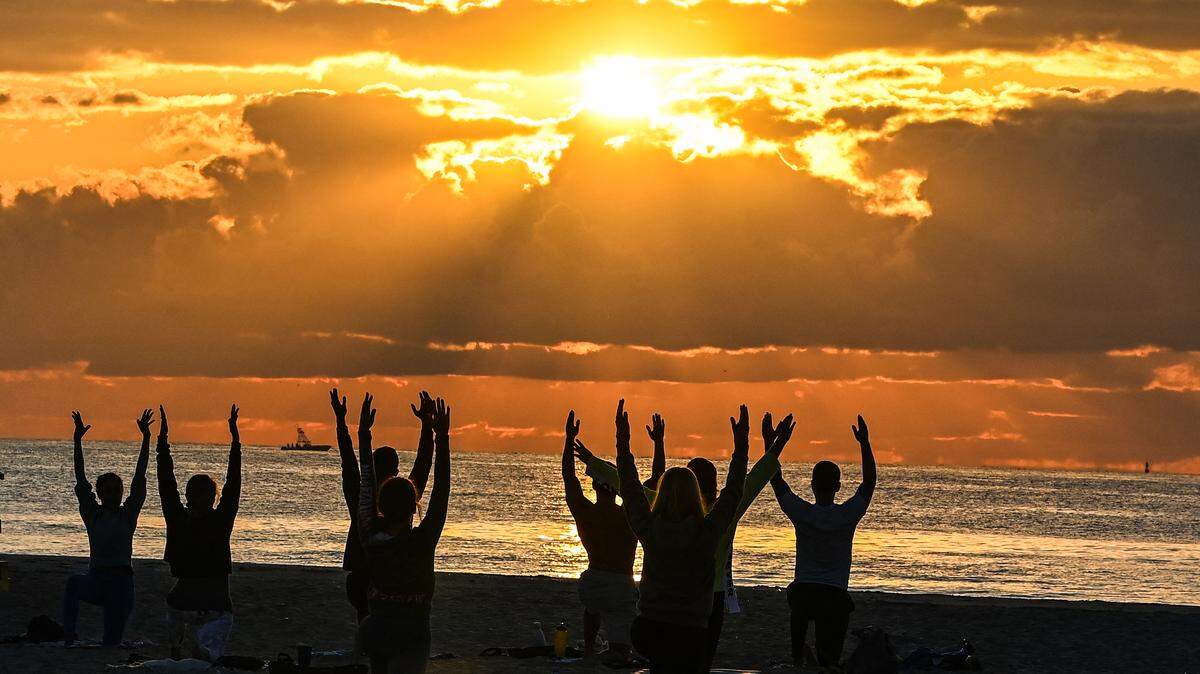
These top wellness resorts are totally worth the splurge.
CHANDAN KHANNA
AFP via Getty Images
The wellness travel category has shifted. What used to mean a robe, a massage and a green juice now means blood panels, HRV monitoring and personalized longevity programs designed by medical doctors. Luxury wellness retreats in 2026 are less spa vacation and more immersive health intervention — and the price tags reflect it.
For travelers weighing whether to splurge, the question isn’t just where to go. It’s what these retreats actually deliver, who’s behind the programming and whether the results stick once you’re back home. Here’s what to know before booking a luxury wellness retreat this year.
What Defines a Luxury Wellness Retreat in 2026
A luxury wellness retreat doesn’t operate from a one-size-fits-all spa menu. Guests typically undergo a health assessment or diagnostic consultation on arrival — blood panels, HRV monitoring, metabolic testing — and receive a program built specifically around their goals, whether that’s stress recovery, longevity, detox or fitness. Personalization is the baseline, not the upgrade.
The practitioner roster is what separates a true wellness retreat from a high-end hotel spa. Top properties staff medical doctors, Ayurvedic specialists, functional medicine practitioners, nutritionists, psychologists and movement coaches. Many blend Western clinical science with Eastern and traditional healing modalities under one roof.
Programming generally spans mind, body and spirit. Physical treatments — therapies, hydrotherapy, fitness — sit alongside mental and emotional work like meditation, breathwork and sleep coaching. Some retreats add spiritual elements: indigenous rituals, sound healing, astrology workshops.
Amenities, Nutrition and Setting
The hardware at this tier goes well beyond saunas and steam rooms. Expect cryotherapy pods, hyperbaric chambers, altitude training rooms, thermal pools and molecular nutrition labs, paired with five-star sleeping accommodations and architecture designed to feel restorative on its own.
Nutrition is treated as part of the treatment plan. Menus are crafted by nutritionists and aligned with each guest’s program — seasonal, often organic and gourmet, designed for nourishment rather than indulgence alone.
Location matters too. The best properties are sited for their restorative qualities: remote islands, mountain air, ancient thermal springs, blue zone coastlines. And increasingly, results are measurable. Retreats track biomarkers before and after a stay, offering tangible evidence of improvement rather than vague promises of relaxation.
Luxury Wellness Retreats Worth the Splurge
Four properties stand out for travelers ready to commit to the full experience.
Kamalaya, on the Thai island of Koh Samui, is an island sanctuary blending ancient healing traditions with holistic luxury. The retreat staffs 50 certified wellness professionals offering more than 70 therapies and treatments, with personalized programs covering detox, weight management and sleep enhancement.
Chenot Palace Weggis, on the shores of Lake Lucerne at the foot of the Swiss Alps, leans into cutting-edge health innovation. The property’s signature Chenot Method claims to promote health, reset or even reverse biological age and enable guests to live a healthier life for longer. Every stay begins with an in-depth medical consultation, followed by personalized diagnostics and a customized treatment and diet plan. Facilities include cryotherapy, altitude training and a panoramic indoor pool.
Amangiri, set in the dramatic red-rock scenery of southern Utah, offers a bespoke itinerary of immersive wellness and cultural activities, plus access to nearby national parks. The retreat features a massive spa and luxurious tented pavilions designed for a seamless indoor/outdoor experience.
SHA Mexico, on the Yucatán coast, runs 100 treatment rooms and pairs advanced diagnostics with Eastern modalities through what the property calls the SHA Method. Special programs target gut health, sleep improvement and even quitting smoking, with stays ranging from four-day resets to three-week interventions. According to SHA, 70% of guests sustain healthy lifestyle habits three months after leaving.
How to Choose the Right Retreat for Your Goals
The right property depends less on geography than on what you’re trying to fix. Travelers focused on biological age and longevity diagnostics gravitate toward Chenot Palace Weggis, while those looking for deeper integration of traditional healing with modern wellness science often choose Kamalaya. Amangiri suits guests who want wellness paired with landscape and cultural immersion, and SHA Mexico is built for travelers who want structured medical programming with measurable follow-through.
Program length matters too. A four-day reset can address acute stress or jet lag, but meaningful work on sleep, gut health, weight or metabolic markers generally requires a week or longer. Most flagship programs at these properties are designed around multi-week stays for a reason — the diagnostics, treatment plan and behavior change need time to take hold.
Before booking, ask what’s included in the base rate versus what’s billed as an add-on. Diagnostics, specialist consultations and certain therapies are sometimes packaged into program pricing and sometimes priced à la carte, and the difference can be significant at this tier.
This article was created by content specialists using various tools, including AI.
Related Stories from Miami Herald
Miami Herald
Lauren Schuster is a content specialist working with McClatchy Media’s Trend Hunter and national content specialists team.