





The doctor sadly passed away in 2024 but loved to share simple advice to help people
Sophie Buchan Money and Lifestyle Writer
02:09, 26 Apr 2026

The late doctor loved to share simple and life-changing advice (Image: Brook Mitchell, Getty Images)
The late Dr Michael Mosley once hailed a key vitamin that can not only boost your mental health, but also ward off dementia.
According to BBC Radio 4’s Just One Thing with Michael Mosley, the doctor, who died in May 2024, said that Vitamin D could protect your brain against dementia. In his podcast on BBC Sounds, Dr Mosley said: “In the winter, I take this tiny little pill every day” as we get very little vitamin D in the UK during winter.
He added: “Taking this cheap, little supplement could bolster your immune system, making you less likely to catch a cold. And there is mounting evidence that in high doses it may even protect you from cognitive decline and dementia.”
Mosley and vitamin D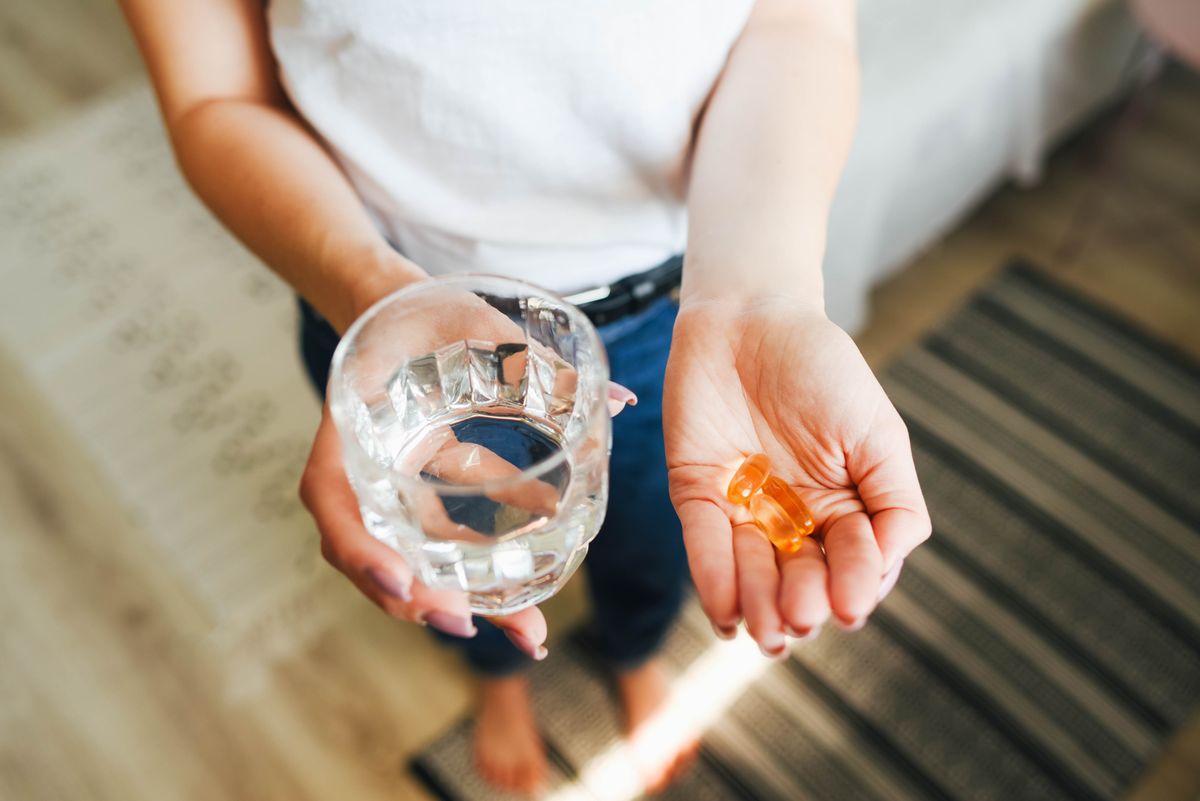
Do you have vitamins or minerals?(Image: Getty)
Mosley introduced the show, explaining that “since its discovery in the 1920s, vitamin D’s best-known role is keeping bones healthy by increasing our body’s absorption of calcium. That’s why rickets, which used to be very common, is rare now”.
Mosley made an exception for the supplement, explaining, “Now, I don’t normally recommend supplements on Just One Thing, but for vitamin D, I am making an exception.”
He explained that while many know it’s great for bone health, studies are showing it’s far more beneficial than we think. Mosley noted that “scientists have discovered vitamin D receptors in nearly all the cells of our body, suggesting that its health benefits extend far beyond bones.”
Vitamin D and dementia
On its website, the BBC noted that Dr David Llewellyn from the University of Exeter found a large population-based study in America which followed over 1,600 people.
In the study, those who had a vitamin D deficiency were over 50% more likely to develop Alzheimer’s or dementia. For those with severe deficiency, that risk was more than doubled and said to be about 125% higher risk.
Llewellyn said: “It was the first compelling evidence to link low levels of vitamin D in the blood to an increased risk of dementia.”
Speaking about the link between the vitamin and brain health, the university Professor notes that it appears to interact with the hallmarks of Alzheimer’s disease with the BBC noting it can “chop up abnormal proteins that form in the brain, such as amyloid plaques and tau, and clearing them.
“Other scientists have argued that it also helps to protect the blood supply to the brain and reduce inflammation,” says Llewellyn, “and that might be helpful with other types of dementia like vascular dementia.”
Do I get enough vitamin D from the sun?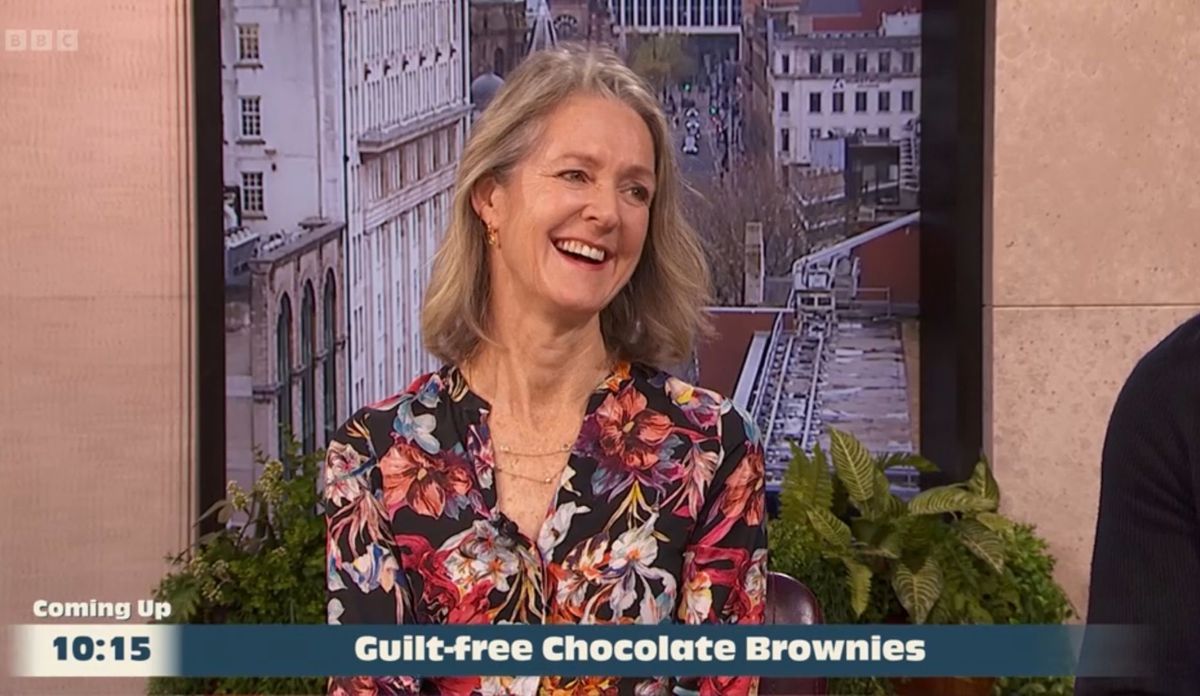
Dr Claire Bailey Mosley is continuing her husband’s legacy after Dr Michael Mosley passed away(Image: BBC Morning Live)
In the UK during winter, there isn’t enough sunlight for most people to produce enough vitamin D. In spring and summer, sunlight helps the body make vitamin D in the skin, but in winter the light is too weak and short. As a result, vitamin D deficiency is very common, which may affect health more than previously thought, according to Llewellyn.
Some groups of people are at even higher risk of vitamin D deficiency, so it becomes a greater health concern for them. “If you have dark skin you don’t produce as much vitamin D from exposure to the same amount of UV radiation,” explains Llewellyn. In the UK, over 50% of people of South Asian descent are actually deficient in vitamin D during the winter months.
On top of this, vitamin D deficiency gets more common with age as our skin becomes less efficient at producing vitamin D: “More than half of older adults are below the threshold for deficiency,” he added.
How much vitamin D do I need?
The NHS says that as “it’s difficult for people to get enough vitamin D from food alone, everyone (including pregnant and breastfeeding women)”, many people “should consider taking a daily supplement containing 10 micrograms of vitamin D during the autumn and winter”.
It adds: “Between late March or early April to the end of September, most people can make all the vitamin D they need through sunlight on their skin and from a balanced diet. You may choose not to take a vitamin D supplement during these months.”
It further warns: “If you choose to take vitamin D supplements, 10 micrograms a day will be enough for most people.
“Do not take more than 100 micrograms (4,000 IU) of vitamin D a day as it could be harmful. This applies to adults, including pregnant and breastfeeding women and the elderly, and children aged 11 to 17 years.”