



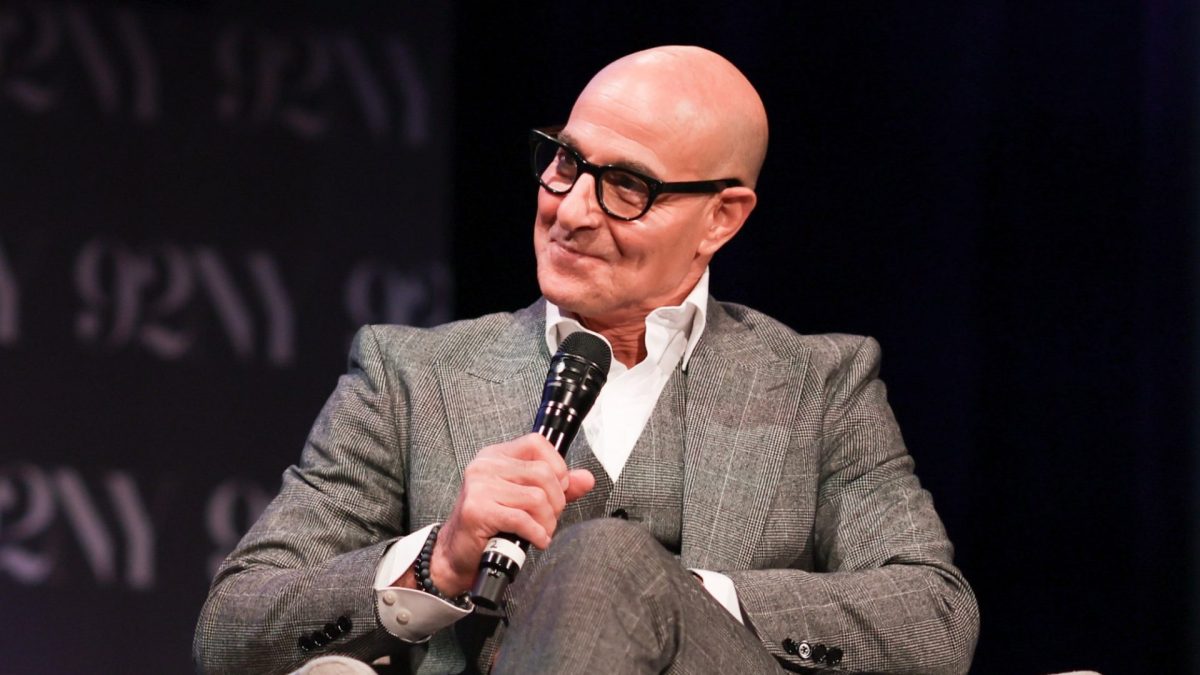
Award-winning actor and culinary aficionado Stanley Tucci has launched a scathing critique of modern wellness culture, declaring to the BBC that a relentless obsession with protein powders and weight-loss injectables has fundamentally fractured human relationships with food. His intervention highlights a growing societal fatigue with dietary optimization.
Speaking sharply against the backdrop of the booming Ozempic era, Tucci argues that reducing communal meals to mere biochemical transactions strips society of cultural memory, emotional nourishment, and foundational joy. This stark rebuke of the contemporary wellness industry arrives as the global market for pharmaceutical weight management reaches unprecedented valuations, raising profound sociological questions about how humanity chooses to feed itself.
A Market in Freefall From Reality
The modern supermarket aisle has become a battlefield of nutritional mathematics. Shelves are increasingly dominated by hyper-processed products engineered to simulate flavor while violently minimizing caloric intake. In this highly commodified environment, food is stripped of its historical context and aggressively marketed as a strategic tool for physical manipulation. The fundamental act of eating has been rebranded as fueling, a term that equates the intricate human body to a combustion engine requiring clinical maintenance.
Tucci accurately diagnoses that this extreme analytical approach to diet has severely damaged our psychological equilibrium. The relentless societal pressure to conform to specific aesthetic ideals has transformed the dining table from a place of sanctuary into an arena of guilt and anxiety. Pleasure is no longer an acceptable primary outcome of a meal; it must be continuously justified by preceding gym attendance or aggressively caveated by long-term fitness goals.
The explosive rise of GLP-1 weight loss drugs such as Mounjaro and Ozempic has rapidly accelerated this cultural shift. While medical professionals emphasize that these pharmaceuticals are genuinely transformative and medically necessary for patients battling clinical obesity, their widespread cultural adoption reveals a deeply unsettling paradigm. Increasingly, the natural human appetite is pathologized—viewed not as a vital biological signal, but as a dangerous vulnerability that must be chemically suppressed at all costs.
The Numbers Behind the Crisis
The pervasive reach of the wellness industry is reflected in startling economic and behavioral data.
The global weight loss drug market is projected to exceed a staggering $100 billion (approximately KES 13.2 trillion) by the end of the decade.
Social media metrics indicate that content focused on dietary optimization and protein targeting generates billions of views monthly, dominating algorithms.
Sales of collagen-infused beverages and highly processed protein bars have seen double-digit year-on-year growth globally.
A rising percentage of young adults report experiencing severe anxiety related directly to dining out or participating in communal meals without access to nutritional data.
The diet industry effectively monetizes the exact insecurities it actively helps to cultivate through relentless digital marketing.
The Global Parallel and Cultural Erasure
Growing up in a traditional Italian-American household, Tucci experienced food as an expansive language of identity, profound affection, and vital ritual. In this framework, nutrition was secondary to connection. Elaborate Sunday lunches were practically spiritual observances. Grief was met with casseroles, and triumphs were celebrated with banquets. Love itself was physically manifested through generous second helpings, a cultural dynamic that cannot possibly be replicated by consuming a chalky, vanilla-flavored protein shake containing thirty-eight grams of isolated whey.
This stark contrast is deeply familiar across the African continent. In Kenya, the communal sharing of nyama choma or a meticulously prepared pilau transcends simple caloric intake; it is the fundamental glue of familial and societal bonds. The creeping westernization of dietary habits—where urban professionals increasingly adopt extreme fasting protocols or replace meals with engineered supplements—threatens to erode these rich culinary traditions. When food becomes a solitary mathematical exercise, the community inevitably fractures.
Sociologists warn that the relentless pursuit of physical optimization actively degrades our capacity for emotional nourishment. The wellness influencer industry, which bombards feeds with images of dry-scooping pre-workout powders and treating lunch as a grim engineering challenge, promotes a deeply isolated existence. Every snack is heavily scrutinized for macronutrient value, rendering the simple joy of eating a fresh, seasonal ingredient practically obsolete.
The Path Forward
Tucci’s commentary serves as a desperately needed cultural reset. Reclaiming the joy of food requires a conscious rejection of the optimization narrative. It demands acknowledging that a shared meal carries weight far beyond its caloric footprint—it carries history, generosity, and memory. The biochemical breakdown of a dish tells only a fraction of its true story.
The profound implications of this dietary crisis cannot be ignored. If we continue to treat our plates as battlegrounds and our appetites as enemies, we risk starving our cultures entirely in the pursuit of an impossible perfection.